 Doylestown
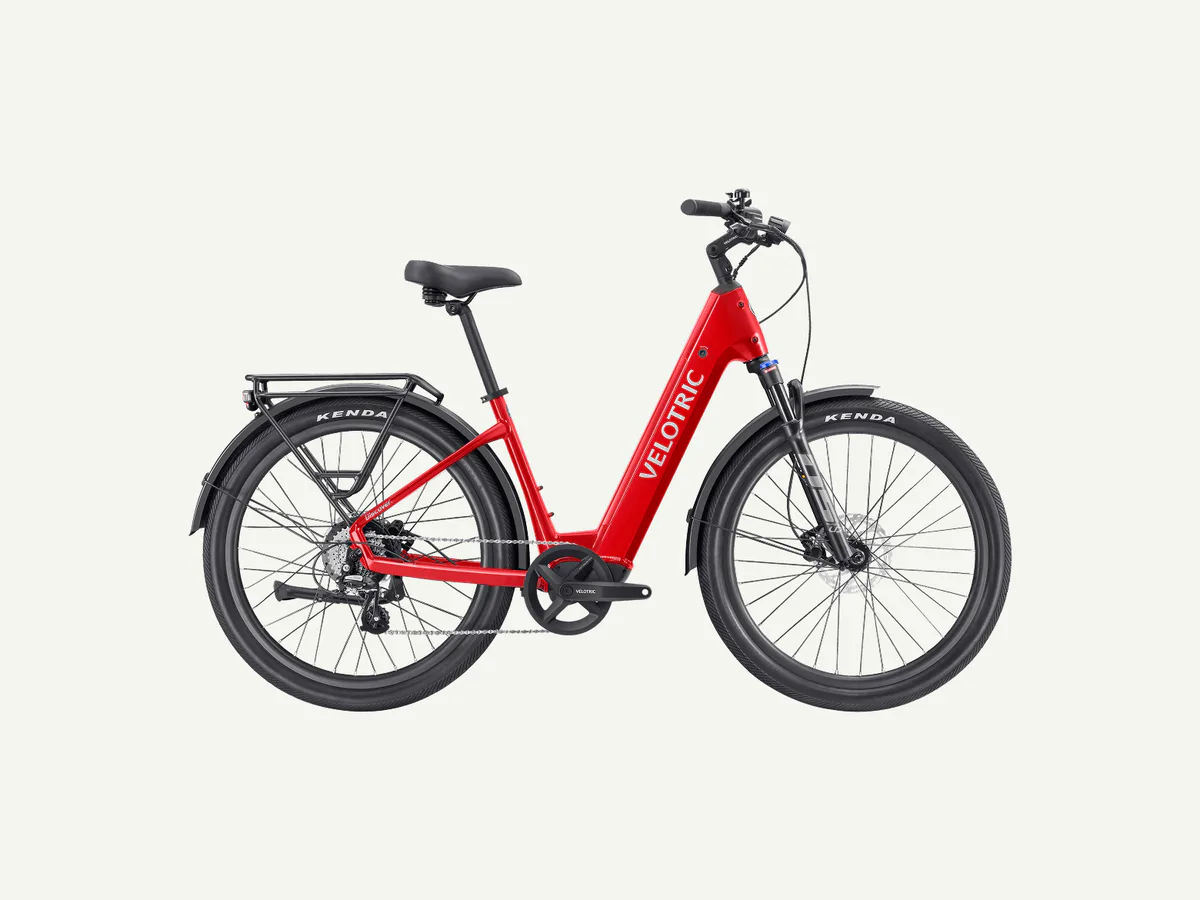
The right e-bike starts with your ride, not a spec sheet. At Max’s in Doylestown, the conversation can begin with where you want to go and what you want the bike to feel like day to day.
Start with the ride you want
Think about the places and people that shape your riding:
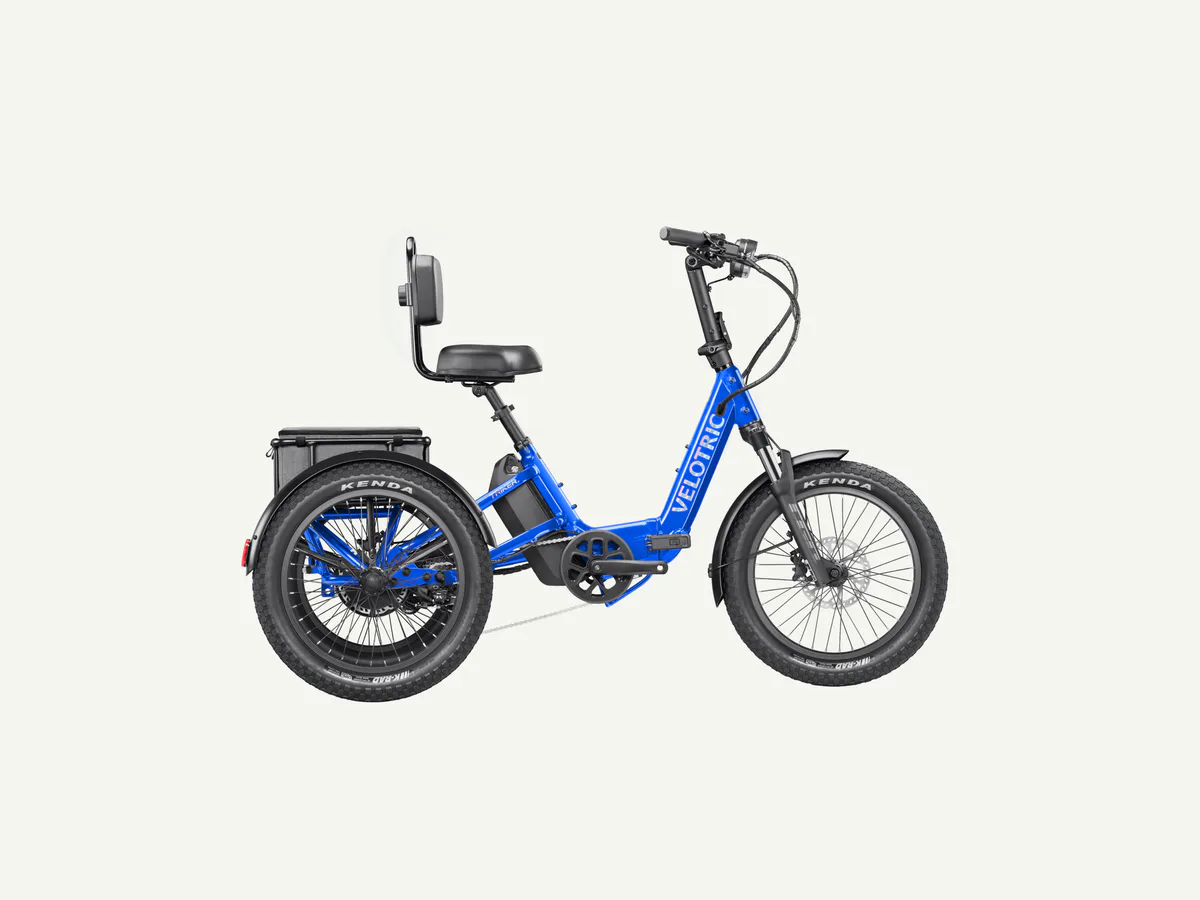
- Are you looking for an upright, comfortable bike for errands and recreation?
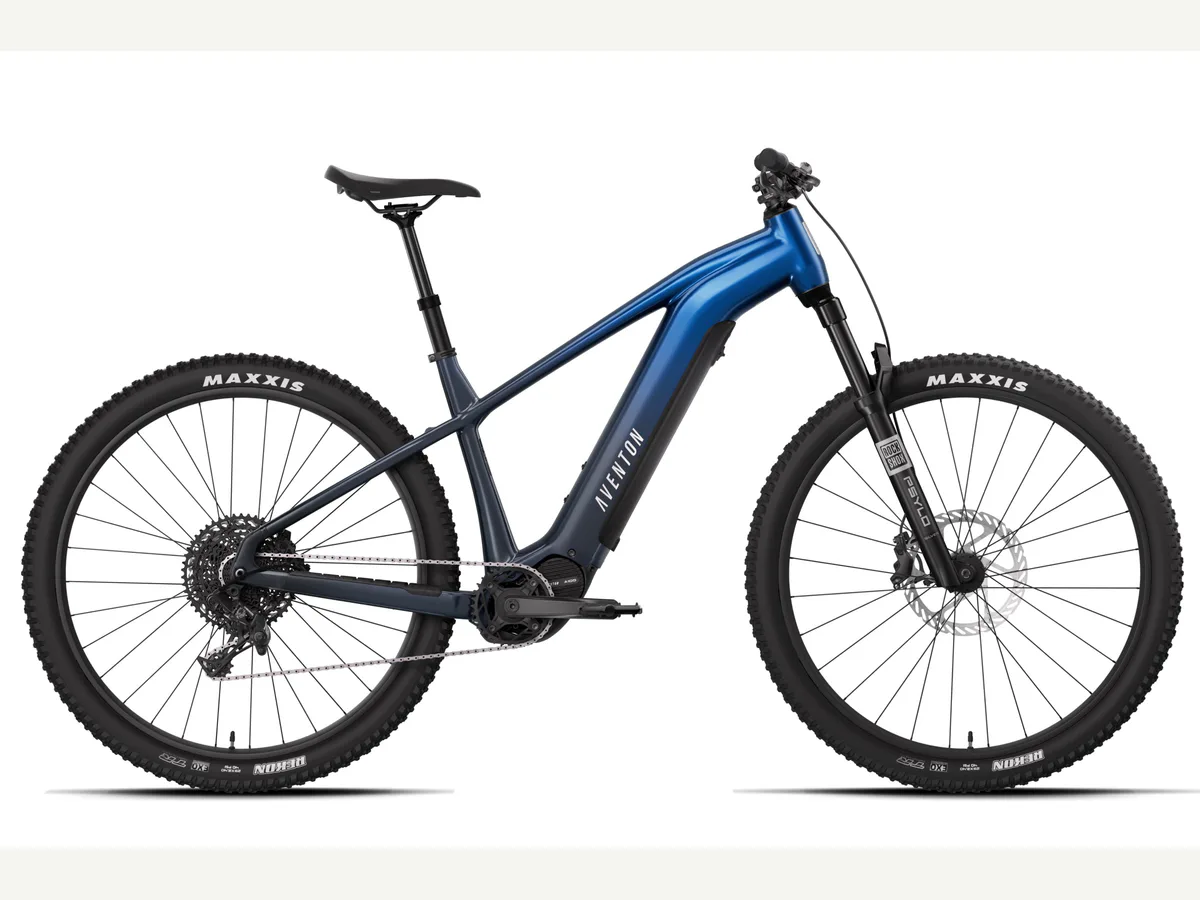
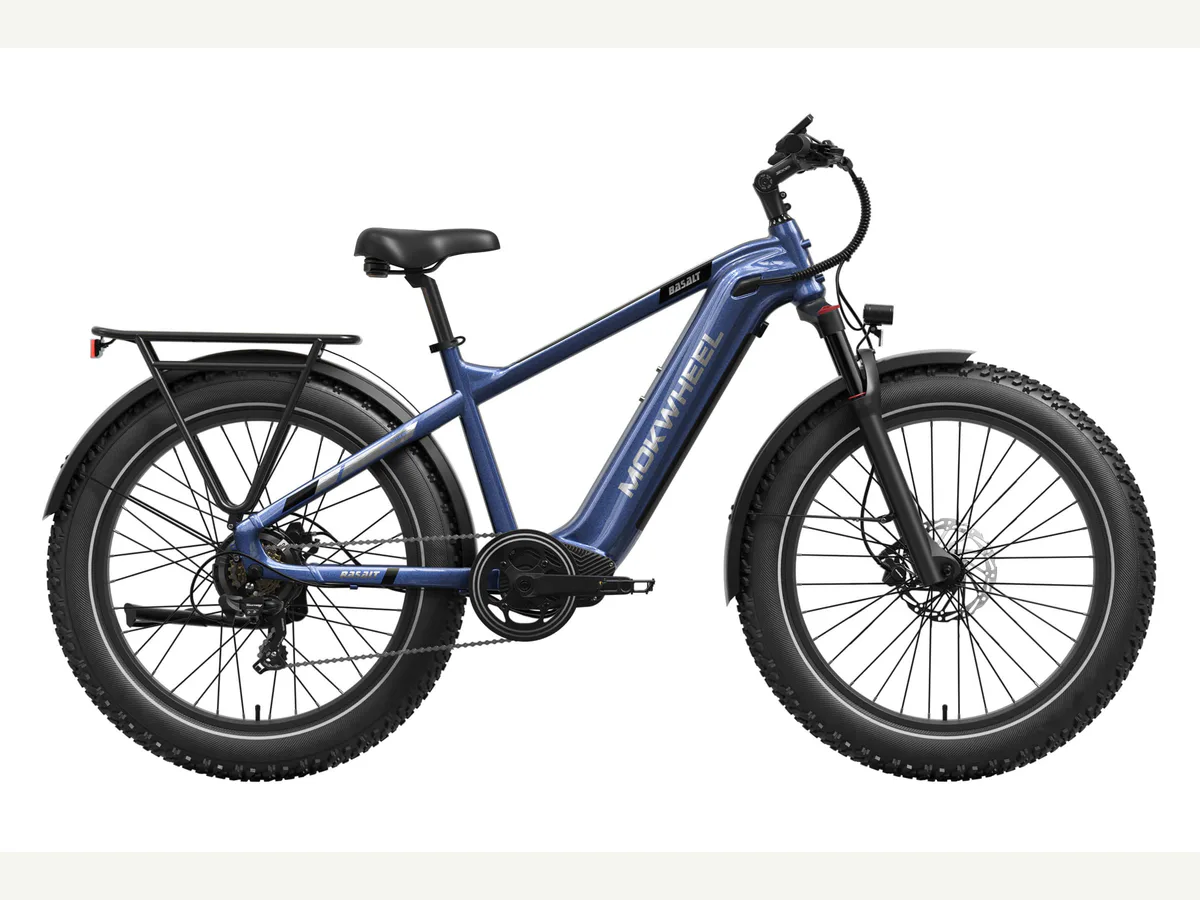
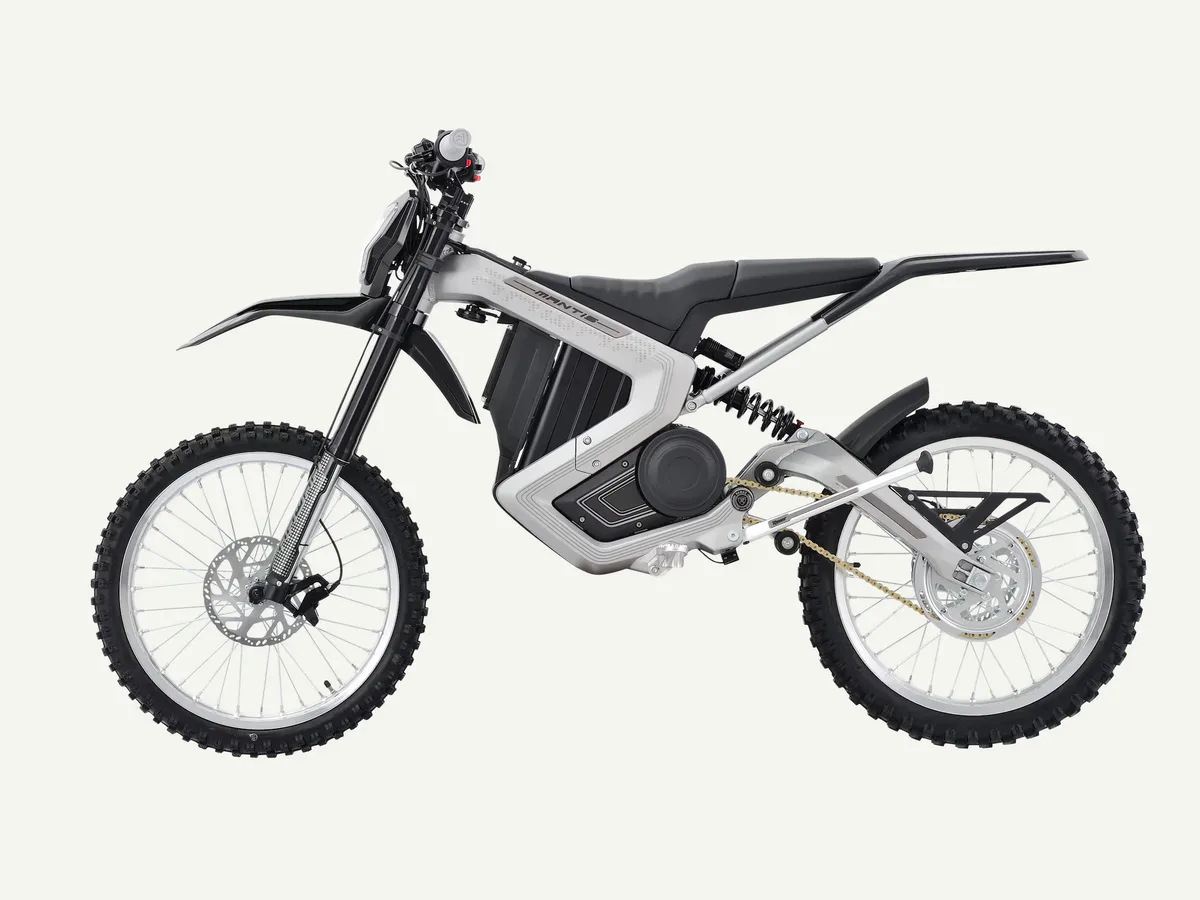
- Will you ride mostly on paved streets and paths, or are rougher surfaces part of the plan?
- Do you want to keep up with a partner or friends, or carry a bike in a vehicle?
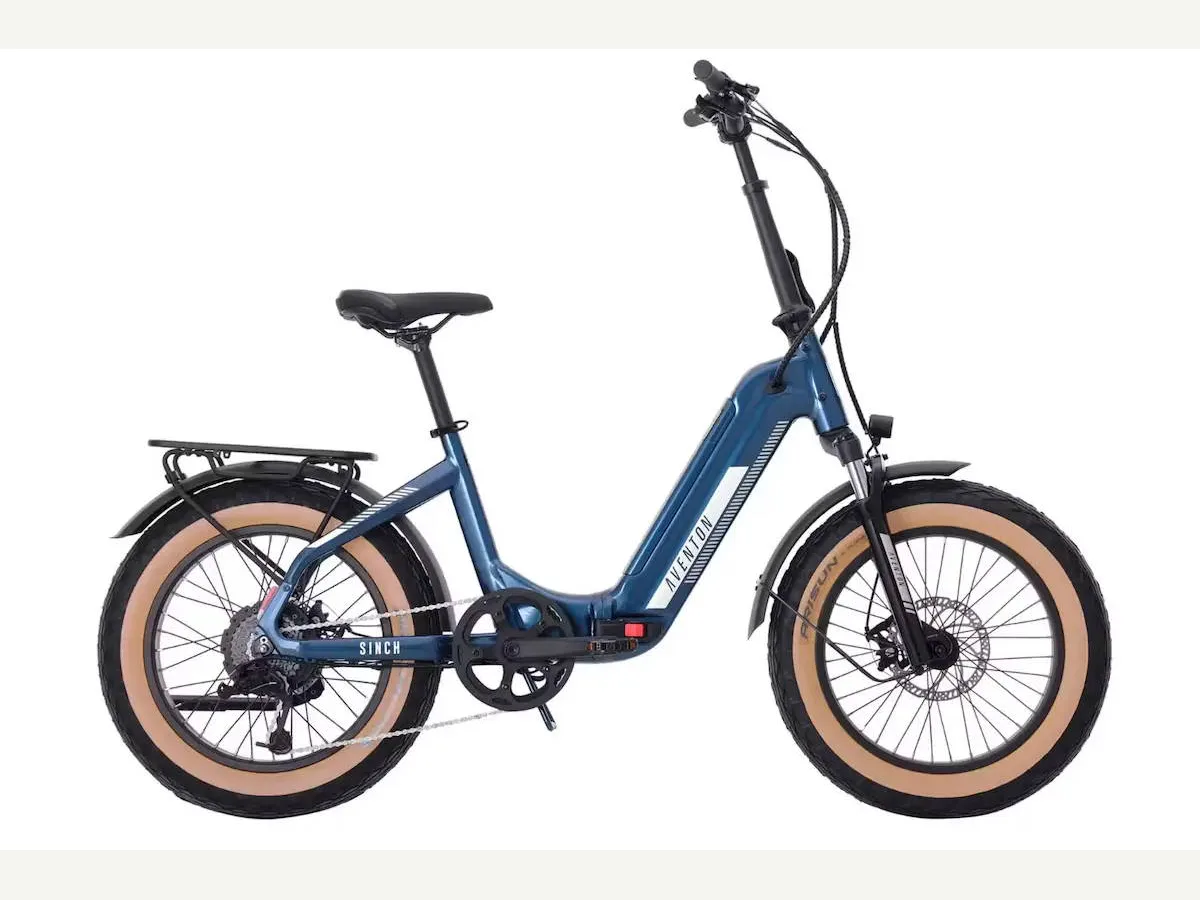
- Where will the bike live, and how often will you need to lift, fold, or move it?
There is no single best category for every rider. These answers help narrow the conversation without turning a visit into a sales quiz.
Compare the details that matter in real life
Fit and comfort
An easy-to-reach handlebar, comfortable contact points, and a frame that feels manageable can matter more than a long list of features. Pay attention to your posture, how you start and stop, and how confidently you can put a foot down.
Terrain and handling
Tire size, suspension, assist behavior, and overall weight affect how a bike feels on your usual surfaces. Match those choices to the terrain you intend to ride; a category label is not a promise that a bike is suitable for every trail or road.
Carrying, transport, and storage
Measure the places the bike must go: a rack, vehicle, stairs, doorway, shed, or apartment. Check the complete bike weight, folded dimensions where applicable, rack compatibility, and how you will secure it. If you expect to lift it, practice that movement before choosing.
Range expectations
Range depends on the rider, assist level, terrain, temperature, tires, payload, and battery condition. Start with the distance you expect to ride and leave room for the conditions that make a ride harder. The bike’s manual and battery guidance are the best source for model-specific limits.
Riding with others
If you ride with a partner or group, talk through pace, hills, stopping, and the kinds of surfaces you share. A comfortable fit and predictable handling can make a bigger difference than matching someone else’s exact model.
Use education as a second step
The e-bike classes guide explains the Class 1, 2, and 3 framework and why labels do not decide every state or land-manager rule. For battery basics, see Battery care. Those guides are educational references; the manual for a specific bike and the rules where you ride still come first.
Take your time with a test ride
You can request a Doylestown test ride to try the fit and controls in person. A test-ride request is not a confirmed appointment, and it is reasonable to return with more questions or compare more than one bike over multiple visits.
Inventory and availability change. This guide does not promise a particular model, price, promotion, warranty, or service plan. The shop can help you compare the options available when you visit.